How to Compare Fish Suppliers Without Getting Caught Out by Hidden Costs
Fish is the biggest number on most chippy profit-and-loss sheets, so it is the first place to look when margins tighten. It is also the easiest place to be misled. A supplier quoting a few pence less per kilo can look like the obvious winner until you add the delivery charge, weigh the glaze, count how many portions actually came out of the case and wait a fortnight longer to pay for it. The fix is simple to say and fiddly to do: stop comparing prices and start comparing landed cost — what one saleable portion really costs you, delivered, on the day you need it.
A kilo price is a starting point, not an answer. What you sell is a portion, so work backwards from that. Take a case, weigh it, defrost it properly, trim it as you normally would, cut it to your own portion size and count. Then divide the case cost by the number of portions you can genuinely sell.
Two things usually explain most of the gap between suppliers. The first is yield: pin-boning, trimming, drip loss after thawing and any glaze or protective ice all reduce what reaches the fryer. A case sold as a nominal weight is not a case of usable fish. The second is grading. Fillets in a tighter size band give you consistent portions per case; a wide band means some pieces are too small for your standard portion and end up in a smaller item or in the bin.
Once you have a cost per portion, add the supplier's share of the delivery charge and any surcharges. That figure — roughly, pence per portion — is the only number worth comparing side by side.
Delivery is where quiet costs live. Ask for the schedule of charges in writing, not a verbal "we'll sort you out". The details that matter:
Ask your driver to wait while you check the case count and the temperature. Any supplier worth keeping will build that into the round.
Minimum order values look harmless because they usually come with free delivery. In practice they set how much cash sits in your freezer and how much stock you carry through a quiet week. A larger minimum can mean better unit prices and worse cash flow, and fish does not hold forever.
Work out your realistic weekly usage, then check whether the minimum forces you to buy more than that. If it does, options include ordering twice a week in smaller drops and paying a delivery charge, splitting a drop with another shop nearby, or accepting a slightly higher unit price from a supplier with a lower minimum and more frequent rounds. None of these is automatically right — it depends on your freezer space, your footfall and how much cash you can tie up.
Cash on delivery versus 14 or 30 days is a genuine cost difference, not just a convenience. Paying a little more per kilo to keep money in the business for another three weeks is often cheaper than the alternatives, and it smooths the weeks when the fryers are quiet.
Check how the terms actually work: whether the clock starts at delivery or invoice date, whether there is a settlement discount for early payment, whether payment is by direct debit, and whether card payments carry a fee. Ask what happens if you query a line on an invoice — a good supplier holds the disputed amount without adding late charges. If your terms are generous, use the breathing space for something useful rather than treating it as spare money. On anything involving borrowing, overdrafts or contracts, it is worth a quick word with your accountant before you commit.
Cheap fish that varies from week to week is expensive. If the fillets shrink, break up in the batter or arrive in the wrong size band, you either lose portions or lose customers, and both are harder to recover from than a slightly higher kilo price.
Ask each supplier for a written specification: species, origin, size grade, whether it has been previously frozen, boneless or not, and typical glaze or water content on frozen product. Then verify it. Fry a sample from every delivery and note what happens.
Red flags: case weights drifting down, glaze creeping up, a size grade that quietly widens, invoices that do not match the agreed price list, or a driver who gets twitchy when you ask to check the delivery. Keep a simple log for a month and the pattern will show itself.
Put every supplier on a single sheet with the same columns: cost per usable portion, delivery charge per portion, minimum order, credit terms, spec, and a consistency score out of five from your own frying tests. Fill it in over a few weeks rather than from a single quote, because fish supply shifts with the seasons and the weather.
Then trial two suppliers side by side for a month. Order your normal mix from both, keep the log, and compare the sheet at the end. You will usually find the decision is closer than the headline prices suggested, and that the winner is the one that made your Fridays easier.
Get the price list, delivery terms, minimum order and credit terms in writing, and ask how often prices are reviewed and how much notice you get. Check the notice period for leaving — the last thing you want is to be stuck with a supplier for three months after a bad run of fish.
And remember the simple test: if a quote looks too cheap, find out what is missing. It is usually delivery, glaze, size grade or patience with your invoice queries. Once you know which, you can decide whether the saving is real or just moved somewhere you were not looking.
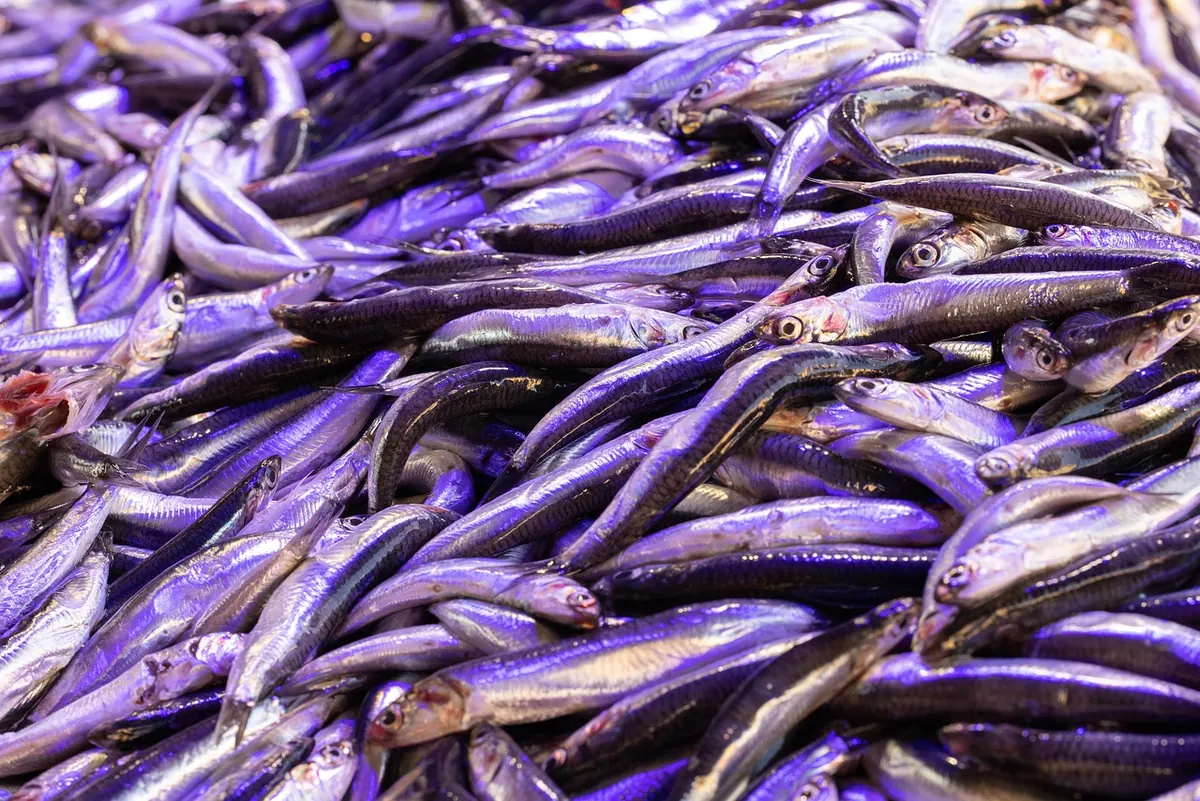
Photo: Engin_Akyurt / Pixabay
Previous Post
Weekly Inventory Checklist for Fish, Chips, Oil and Packaging
Next Post
Common Mistakes Chip Shops Make with Cash Handling and Till Reconciliation